
Bariatric & Weight Loss Surgery
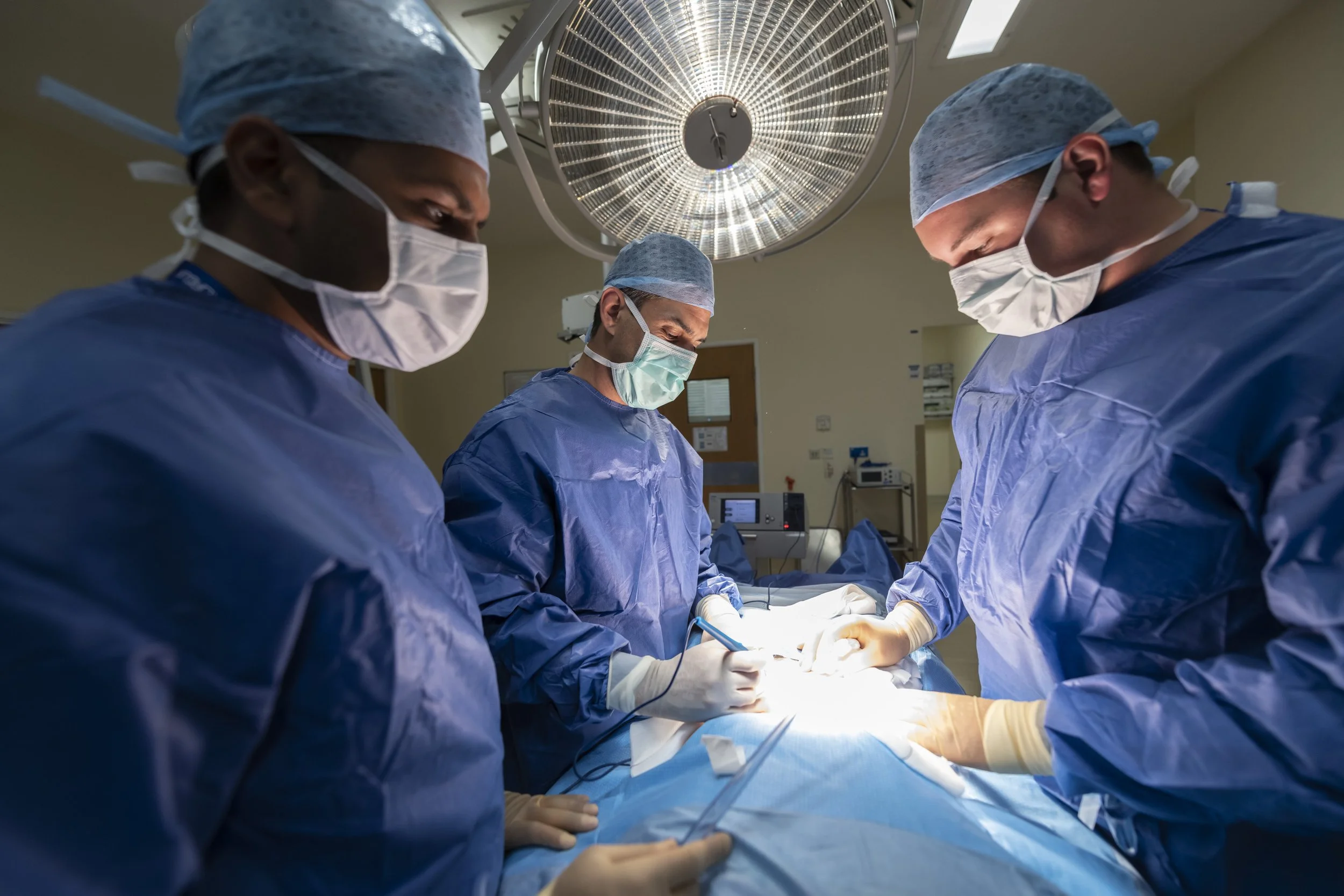
Sleeve gastrectomy, gastric bypass, duodenal switch and revision surgery — performed by surgeons with more than 40 years of combined bariatric experience, trained at Johns Hopkins, Georgetown and Baylor. You will meet your surgeon, and you'll keep seeing them afterwards.
Your forms, rules class and pre-op instructions are all in one place.
Meet our patients
People who had surgery at MISH, talking about what actually changed.
Do I qualify?
Most insurers use body mass index plus related conditions to determine coverage. Work out your BMI first — then talk to us, because the criteria vary by plan and the number on its own doesn't settle it.
Commonly considered alongside BMI:
- Type 2 diabetes
- High blood pressure
- Sleep apnea
- Joint pain limiting mobility
- Severe reflux
- Previous attempts at supervised weight loss
Procedures we perform
Which one suits you depends on your weight, your health conditions and how you eat. We'll go through all of them at your consultation.
Preparing for surgery
Three things happen between booking and your operation. None of them are optional, and all of them are straightforward.
Medical history, medication list, consents and insurance paperwork. Fill these in before your pre-op visit so the appointment is spent on your questions rather than on admin.
Download forms →A required group session covering the diet stages, portion sizes, vitamins, hydration and the habits that decide how well surgery works. Bring whoever will be looking after you at home.
About the class →The pre-surgery diet, bowel prep where it applies, which medications to stop and when, and what time to stop eating and drinking the night before.
Read instructions →Your documents
Everything you'll need, in the order you'll need it.
The rules class
Required before surgery. It is the single biggest predictor of how your first year goes.
- When
- DAY, TIME
- Where
- MISH Hospital and Clinics, Lenexa
- Bring
- A support person, and anything you want to ask
Revision surgery
If you didn't reach your goal, regained weight, or developed reflux or a complication, revision is often possible — including when the original operation was done elsewhere.
You'll know your surgeon's name
Common questions
Should I try a GLP-1 medication instead?
For some people, yes. GLP-1 medications work well and are far less invasive. The honest trade-off is durability and cost — weight tends to return when the medication stops, and stopping is common. Surgery is a one-time intervention with a different risk profile and a much longer evidence base. At your consultation we'll tell you which we think fits your situation, including if that's the medication rather than an operation.
Will insurance cover it?
Many plans cover bariatric surgery when documented criteria are met — typically BMI thresholds plus related conditions and evidence of supervised weight loss attempts. Requirements vary considerably between plans. Our team will check your specific policy and tell you what it requires before you commit to anything. Our published charges are on the price transparency page.
How much weight will I lose?
It depends on the procedure, your starting weight and — more than anything — what you do afterwards. Surgery makes sustained weight loss possible; it doesn't make it automatic. Your surgeon will give you realistic expected ranges for the specific operation rather than a headline number.
What is the rules class, and do I have to go?
Yes. It is a group session before surgery covering the diet stages, portion sizes, vitamins, hydration and the day-to-day habits that determine how well the operation works for you. Bring whoever will be helping you at home — they need to hear it too. Details and registration are in the Preparing for Surgery section above.
What if I've already had weight loss surgery?
Revision is a significant part of what we do, including for operations performed elsewhere. Sub-optimal weight loss, weight regain, reflux, and band complications are all common reasons people come to us. Bring your operative report if you can get hold of it.
How long is recovery?
Most patients go home within a day or two and return to desk work in one to two weeks, with a staged diet progression over several weeks and restrictions on lifting for around a month. Your surgeon will give you the specifics for your procedure.
What happens at the free consultation?
A conversation, not a sales pitch. We'll go through your history, your previous attempts, which procedures are realistic options and what your insurance is likely to require. You'll leave knowing whether surgery makes sense for you — including if the answer is no.
Start with a conversation
Whether you're just beginning to think about it, or you've had surgery before and it didn't work out — book a consultation and get your questions answered properly.
or call 913-322-7408