
General Surgery
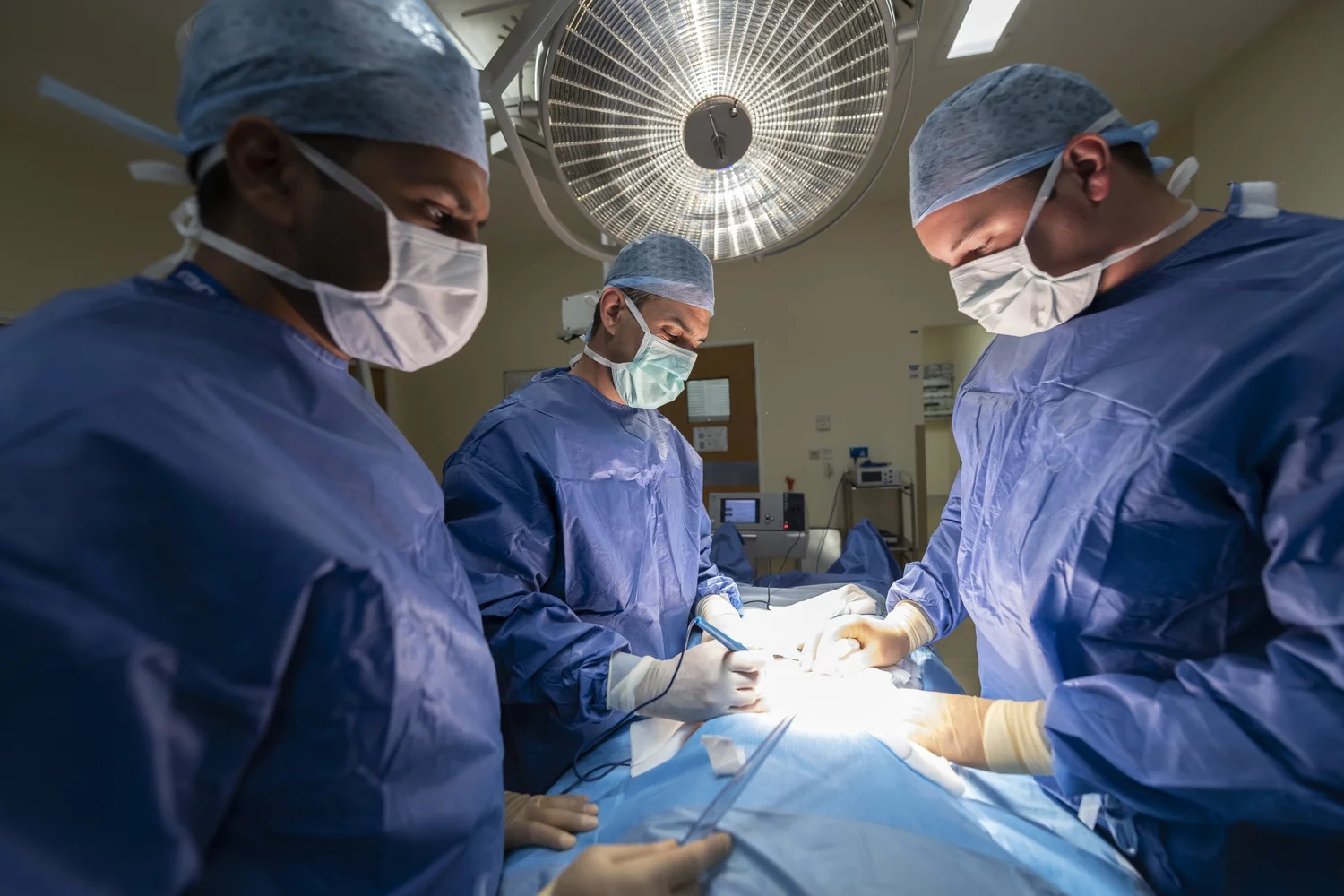
Minimally invasive first. Our general surgeons treat hernias, gallbladder disease, reflux and colorectal conditions in a hospital built for one thing — surgery — with imaging, lab and recovery a short walk from the operating room.
Conditions and procedures
If you're not sure whether your condition is on this list, call and ask.
Conditions we treat
- Hernias
- Gallbladder disease
- Appendicitis
- Gastrointestinal disease
- Colorectal conditions
- Gastroesophageal reflux disease (GERD)
- Hiatal hernia
- Inflammatory bowel disease
- Diverticulitis
Procedures we perform
- Hernia repair
- Gastrectomy
- Endoscopy
- Colonoscopy
- Reflux treatment
- Laparoscopy
A hospital built around the operating room
Common questions
What's the difference between a general surgeon and a specialist surgeon?
General surgeons are trained to perform a wide range of procedures across various parts of the body, which gives them a broad and versatile skill set. Specialist surgeons receive additional training to focus on one specific area — the heart, brain or spine, for example.
Do I need a referral to see a general surgeon?
In many cases patients are referred by their primary care provider or another specialist. You can also schedule a consultation directly if you think you may need surgical care. Check with your insurance provider for any referral or coverage requirements.
How should I prepare for surgery?
Preparation depends on the procedure. Common steps include fasting, adjusting medications and completing pre-operative tests. Your care team will give you clear, personalized instructions before your procedure.
What is the typical recovery time?
Recovery varies with the procedure and your overall health. Some minor surgeries take a few days; more complex procedures may take several weeks. Your surgeon will tell you what to expect and how to heal safely.
Are there risks involved with surgery?
All surgery carries some risk — bleeding, infection, or reaction to anesthesia among them. We follow current protocols to minimize those risks, and your surgeon will discuss any potential complications and how they are managed before you consent.
Schedule your consultation
Whether you've been referred by your primary care provider or you're seeking a second opinion, we'll tell you plainly whether surgery is the right answer.
or call 913-322-7408