Obesity
Weight Loss Surgery
Weight loss surgery options
REVISIONS OF PREVIOUS WEIGHT LOSS SURGERY
Revision bariatric surgery is the repair, modification, or conversion of a previous weight loss operation. Revision surgery started as surgery for the later complications that can develop with weight loss operations. As more and more people are undergoing weight loss surgery, and as we learn more about it revision surgery has become a second chance at weight loss
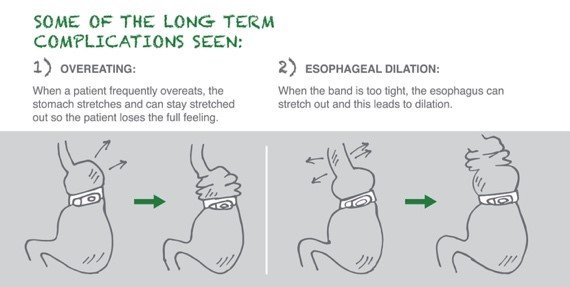
The most common operation undergoing revision surgery is the lap-Band operation. The most common revision operation performed is the conversion of the Lap-band operation to a sleeve or bypass operation. The most common reasons for the conversion are:
band intolerance (inability to eat solid food)
esophageal dilatation,
obstructing Lap-band
Lap-band slippage (pouch enlargement)
The second most common revision operation is the conversion of a sleeve gastrectomy to a gastric bypass for:
intractable heartburn/reflux
stricture / torsion of sleeve
Biliary reflux/gastritis/esophagitis
The most common complications requiring revision are:
No weight loss / regaining weight
Gastro-Gastric Fistula
Large bypass/BPD pouches
Marginal ulcer at the gastro-jejunal anastomosis
Large sleeve
obstructions